

Agoda has always had an entrepreneurial, builder-minded culture: people who spot a problem and go fix it rather than wait for someone else to. What’s changed is who gets to act on that instinct. AI is accelerating the idea that anyone can be a builder, not just engineers or people who already know how to code.
Ask people what “building with AI” looks like at Agoda, and you might picture engineers shipping new product features. But walk through the halls (virtually or otherwise) and you’ll find marketing managers fixing clunky spreadsheets, creatives automating entire video pipelines, and L&D partners turning messy feedback data into polished reports.
A culture that truly invests in learning across the company
This isn’t happening in one corner of the company. It’s showing up across Marketing, People, Supply, and beyond. It’s a point of real pride for us: while plenty of companies are still cautious about rolling AI tools out to their own people, Agoda has moved fast to put them directly in employees’ hands, across every department, not just tech. As a result, we’re able to innovate together at an even faster rate: the vast majority of Agodans use AI tools on a weekly basis.
That’s not an accident. Agoda invests significantly to give every employee the confidence and capability to build. We have an in-house GenAI team dedicated to introducing new tools and upskilling employees as the technology moves (and it moves fast), on top of training sessions on tools like Codex and Claude Code, and hackathons and workshops to practice in. It’s part of why so many non-technical teams have been able to go from curious to building in a matter of weeks.
We asked some of our Agodans with minimal coding experience to tell us, in their own words, what they built, why they started, and what surprised them along the way. Some projects save hours of manual work every week. Others started as a fun side project. All of them say the same thing: you’ll be surprised by the possibilities.
Here’s what they’ve been able to achieve!
Creating a meeting scheduler app


Brandon Ashton
Associate Manager, B2B Events Marketing
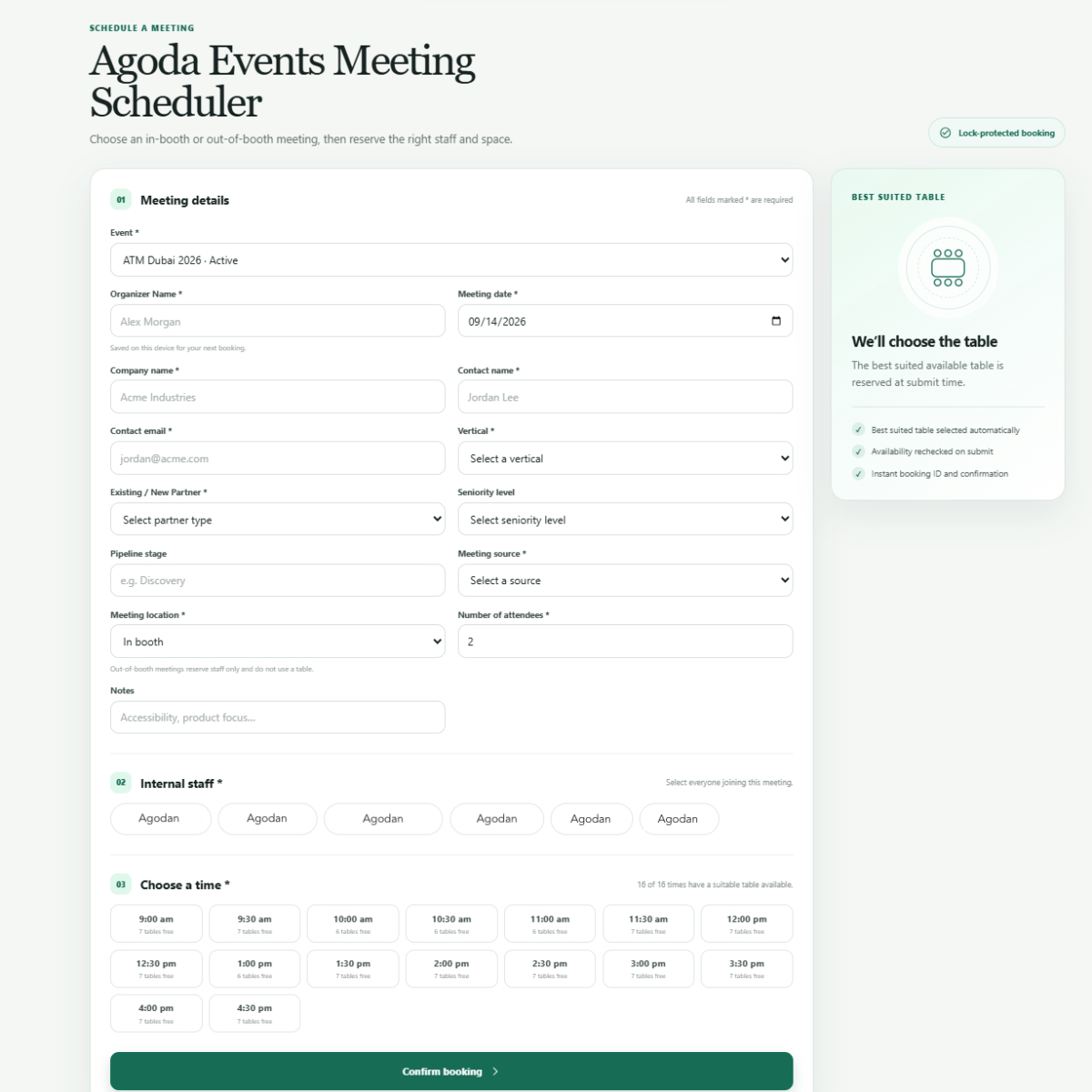
AI makes creating tools much easier for someone like me who isn’t very knowledgeable about coding. Being in Marketing rather than tech, I’m not particularly technical, but that’s actually the point: I know the gaps and pain points on our side of the business better than anyone, and AI gave me a way to act on that knowledge without needing to learn to code. The first problem I wanted to solve was our overly complex Excel sheets for booking and tracking event meetings. Previously, the back-end logic worked, but it badly needed a user-friendly front end.
So that’s what I built with Codex: a meeting scheduler app for our business teams to log, track, and analyze meetings booked during events. I’m now building reporting capabilities for the B2B Events team to better track outcomes across our events. It’s still early days, but initial feedback is that the scheduler is already a lot easier and more streamlined than what we had before.
Agoda provided us with Codex training sessions, which made it easier to get started and figure out the foundations. From there, it’s just about getting stuck in and experimenting. V1 will be far from perfect, but if you have an idea and a vision, keep working at it and it pays off.
Turning feedback data into a reusable report

Laphat (Jean) Paduka
Learning & Development Partner
I used Codex to build and improve our Strength Scan HTML report, which analyzes feedback data and shows key numbers and comparisons clearly. Before this, I was doing a lot of the work manually, so I was copying and pasting data one by one and building visualizations myself. I wanted a report that didn’t just work for one team, but could be reused across all departments.
The first draft took around three days, but it was worth it: the report now reduces a lot of my manual work, looks more professional, and is much easier to share and reuse going forward. Last year, I had to work on a similar project with my peers; this year, I could do far more by myself with AI.
The AI team helped me get started: we had meetings to figure out which AI tools to use and how to write clearer, better-structured prompts. What surprised me most was how fast it was, and how it helped me build logic and analyze data in ways I didn’t think were possible before. My advice to anyone who hasn’t started: just try it. Pick one manual or difficult task, and you may be surprised how much time it saves.
Learning Thai, one letter at a time
Kris Schimmel
Associate Director, Public Relations
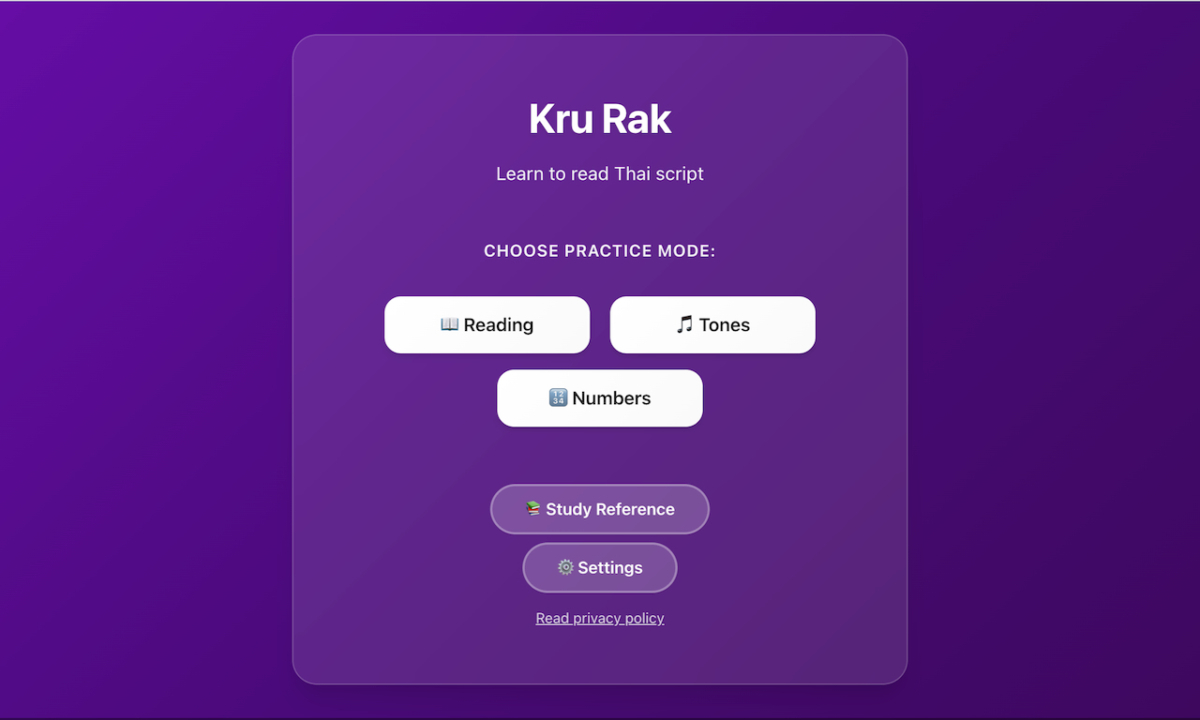
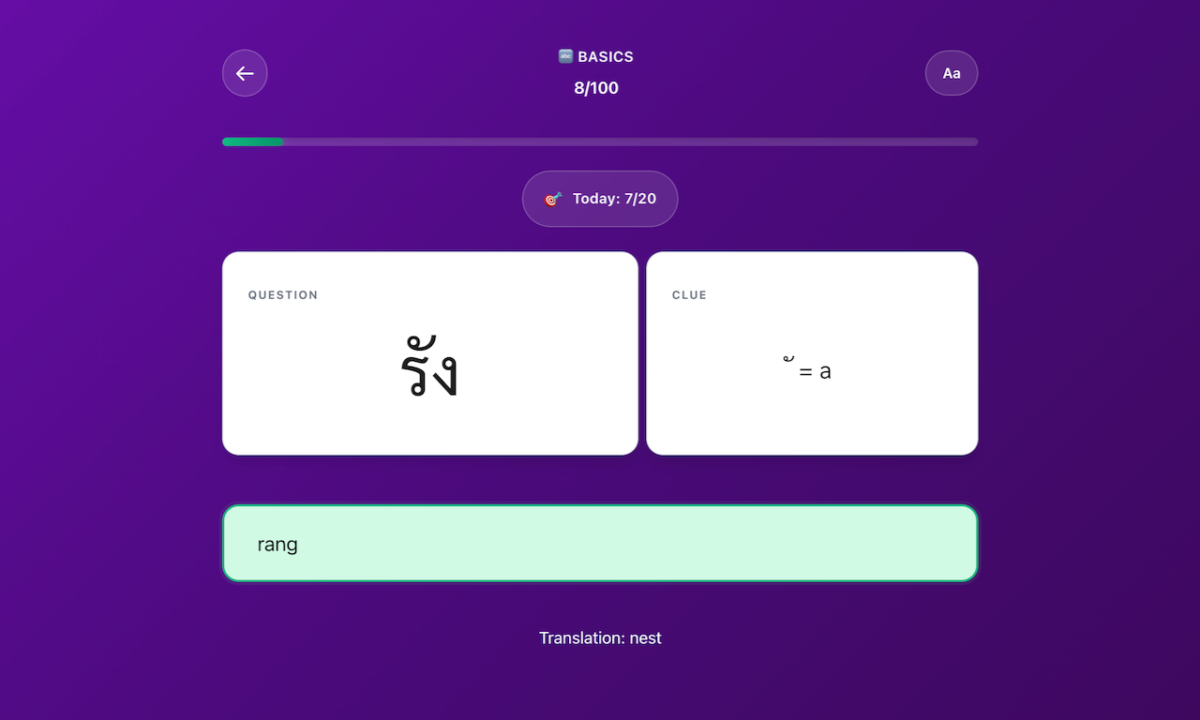
AI can be quite daunting when you first start using it, so I decided to build that muscle by creating some fun things. One of those was a Thai language app. As a Dutch person who’s been living in Bangkok for four years, I’ve been working on learning Thai, and the alphabet is very different from the one I grew up with.
I used Claude to build a web app to learn to read the Thai alphabet, and it’s not just for me! Anyone can use it. It’s a good reminder that you don’t need a work problem to start building with AI; sometimes the best way in is by picking something that piques your interest and just giving it a go.
Scaling creative production with AI

Ilham Prasetya
Manager, Brand Creative
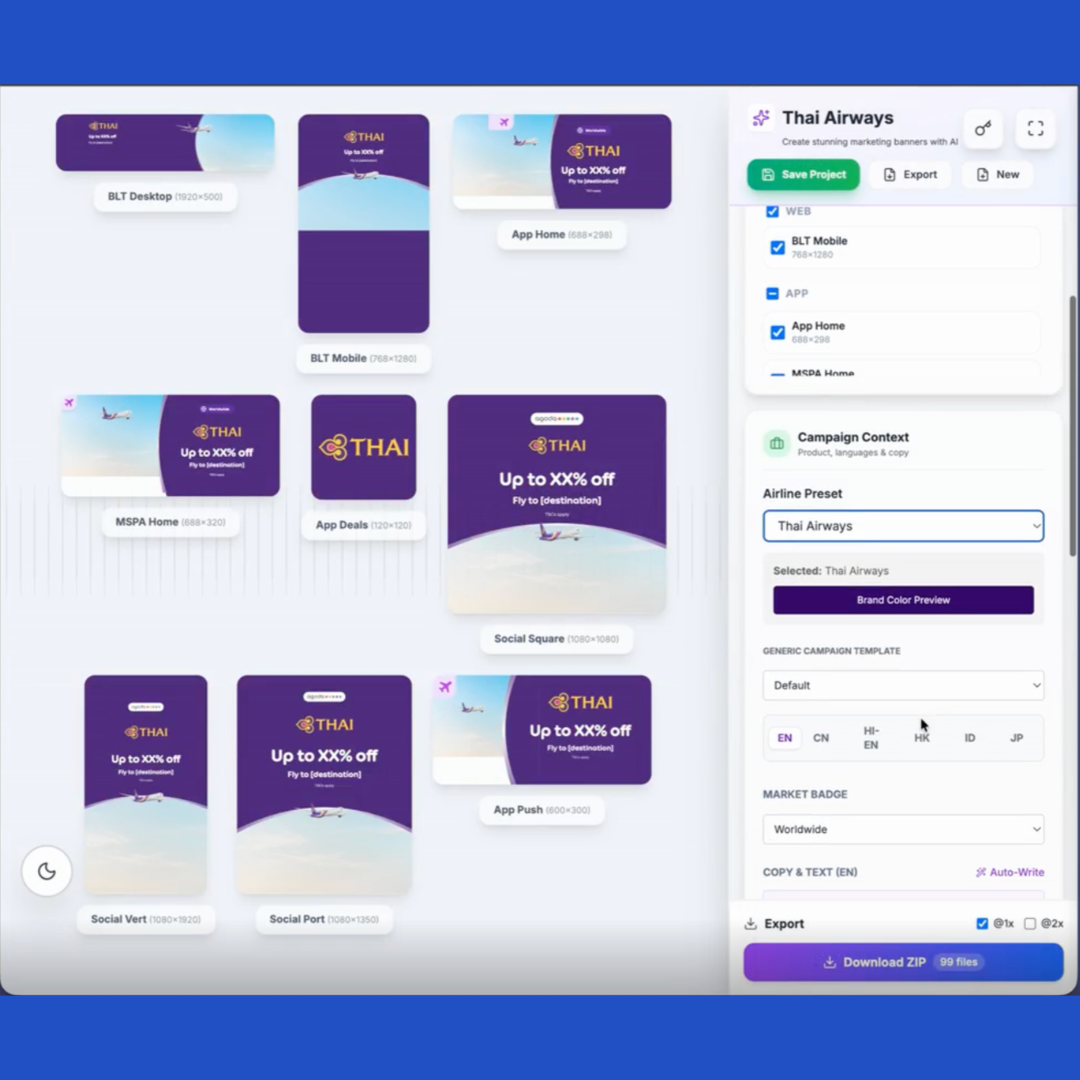
Before AI, creative production had real limitations. We often had strong concepts and a clear vision, but bringing them to life in-house was challenging. For example, producing a complete ad campaign in-house was completely out of reach. I also value my designers’ time and believe they should be focused on creative and strategic work, not repetitive tasks like adapting videos or banners into multiple languages, which used to take considerable manual effort.
So that’s what I built with Claude Code: a templated asset-creation app that lets non-designers populate creative templates themselves, without needing design expertise, and an end-to-end video production pipeline that used to require two or three designers and numerous coordination meetings. Now one person can manage even more complex projects on their own, and we produce a significantly larger volume of creative work, far more efficiently.
Having full access to AI tools, combined with the team’s curiosity and willingness to experiment, is what helped us get started, along with training from companies like Google and support from our internal AI team. What surprised me most is that AI can do more than generate individual assets — it can orchestrate an entire production process, expanding what one person, and one team, can produce.
A daily Agoda metrics quiz, right in Slack

Telly Ploem
Associate Director, Supply
There are always a lot of fun problems to solve at Agoda, but before AI, I think we tended to prioritize the bigger ones first. Nowadays, there are a lot of smaller, interesting problems worth solving too, which still add real business value, and that’s where AI really helps speed things up.
A fun project I worked on recently is a quiz bot that quizzes you every day in Slack on Agoda-related business knowledge and industry insights: things like “What’s the biggest hotel chain in South Korea?” It’s a small, daily habit, but it adds up: instead of hunting through decks or reports when you need a number, you’ve already absorbed a lot of it just from playing along. Learning these metrics also better equips you to answer questions and lead presentations.
What I enjoy most about AI is how fast things move with it: you can have an idea, and an hour later it’s live, and you’re testing it out. That’s a big part of why I spend so much of my time building with these tools. People at Agoda know a lot about AI, and you see others building with it constantly. I learn a lot just from chatting with them.
Building a feature upvote tool for 500+ Business Development teams worldwide

Lily Chongkamanont
Director, Commercial Excellence
Within the Supply team, we run a lot of AI hackathons and vibe-coding workshops, which helped me get inspired by what’s possible and start thinking about how to adapt it into my own role. Google’s AI vibe-coding tool is amazing: we used it a lot in our workshops, and it’s been easy to apply in our day-to-day work ever since.
I decided to start experimenting because I wanted to solve some pain points that have persisted for a long time, along with things that were just time-consuming. My team launches different tools for Agoda Business Development and Supply, and we wanted a better way to identify what additional features they were looking for — so using Google AI Studio, we built a feature upvote tool that lets them vote on ideas and add comments.
With the feature upvote tool, we’ve been able to collect feedback and data from BDs across the globe, letting them vote on and submit what they’d like to be added to our tools. It’s saved us a huge amount of time and effort in gathering all those requests in one place, rather than chasing feedback across dozens of separate conversations.
Investing in the future
What all these projects have in common is simple: someone saw a problem, a curiosity, or just a fun idea, and had the tools and support to go build it. That’s exactly why Agoda keeps investing in AI training, access, and hackathons across every team, not just engineering. AI isn’t here to replace our people, it’s here to give them more room to do the work only they can do, and to try things that weren’t possible before. We can’t wait to see what our teams build next.
If that sounds like the kind of workplace where you want to build your career, we’re hiring! Explore job opportunities at Agoda today.